






Table of Contents
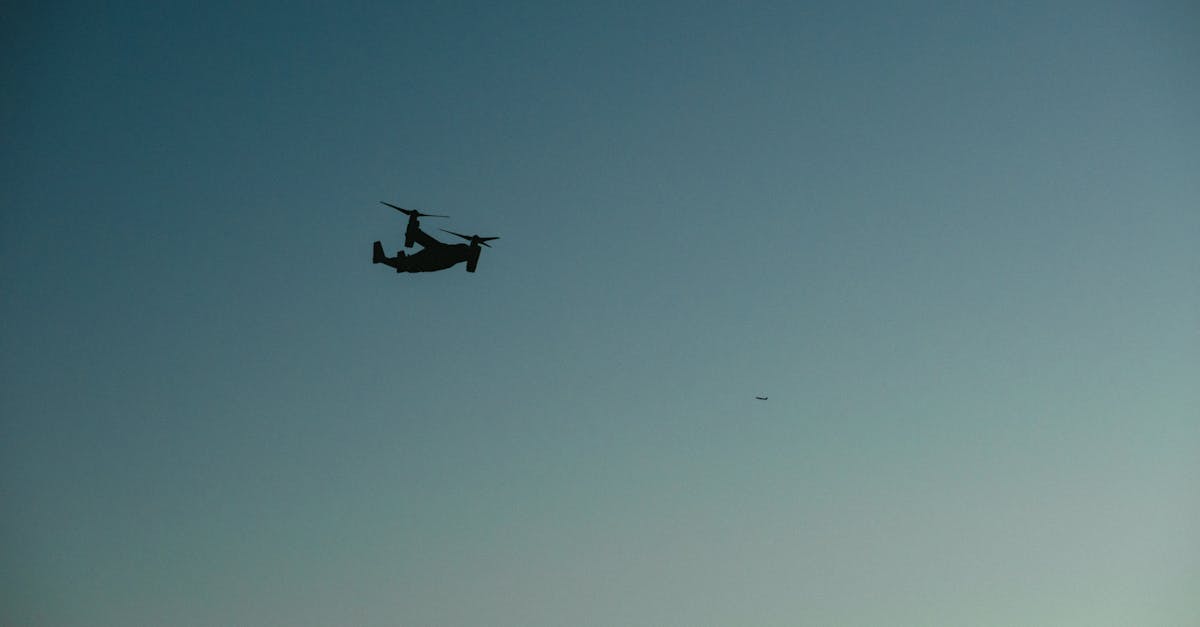
ToggleMilitary helicopter drones are taking flight in ways that blend innovation with battlefield prowess. These aerial marvels marry the nimbleness of traditional helicopters with the stealth and precision of drone technology, creating a game-changer for modern warfare. Imagine a helicopter that never tires, always stays alert, and executes missions with pinpoint accuracy—that’s the promise of military helicopter drones.
As technology soars, so do these drones, equipped with artificial intelligence and state-of-the-art sensors that keep them ahead of the curve. They not only enhance surveillance and tactical operations but also reduce risks for human pilots, making them indispensable allies in the field. With each advancement, military helicopter drones are proving that the sky is not the limit but just the beginning of a new era in defense strategy.
Overview of Military Helicopter Drones
Military helicopter drones integrate the maneuverability of traditional helicopters with advanced drone technology, enhancing modern defense operations. Equipped with artificial intelligence, these drones perform autonomous missions, such as reconnaissance and target acquisition. High-resolution sensors and surveillance equipment enable precise data collection in diverse environments.
Stealth technology reduces the radar signature of military helicopter drones, allowing for covert operations. These drones navigate complex terrains and execute missions with minimal human intervention, increasing operational efficiency. Their ability to operate for extended periods supports prolonged surveillance and sustained tactical missions.
Key features include:
- Autonomous Navigation: Facilitates mission execution without constant human control.
- Advanced Sensors: Collect high-definition imagery and real-time data.
- Modular Payloads: Adapt to various mission requirements, such as weapon systems and communication devices.
- Real-Time Communication: Ensures seamless data transmission to command centers.
- Extended Operational Range: Allows coverage of vast areas without the need for frequent recharging or refueling.
Military helicopter drones support various applications, including search and rescue, logistical transport, and combat support. Enhanced payload capacities enable these drones to carry essential equipment like medical supplies, ammunition, and specialized tools, adapting to mission-specific needs. Fleet management systems coordinate multiple drones, optimizing deployment and resource allocation for maximum effectiveness.
The adoption of military helicopter drones offers significant advantages, such as decreased risk to military personnel and improved mission accuracy. By utilizing real-time data analytics, these drones provide actionable intelligence, enhancing decision-making processes. Furthermore, their ability to operate in harsh weather conditions increases their reliability and versatility. Ongoing advancements in drone technology expand the capabilities and applications of military helicopter drones, solidifying their role in contemporary defense strategies.
Key Features and Technologies
Military helicopter drones integrate cutting-edge technologies to enhance their operational effectiveness and strategic value in modern warfare.
Advanced Navigation Systems
Equipped with GPS and inertial measurement units, these drones achieve precise autonomous navigation. AI-driven pathfinding algorithms enable real-time route adjustments, ensuring optimal flight paths in dynamic environments. Obstacle avoidance technologies utilize LIDAR and radar sensors to detect and circumvent barriers, maintaining mission integrity. Redundant navigation systems provide reliability during electronic warfare or signal disruptions. High-resolution mapping software facilitates accurate terrain analysis, supporting complex maneuvers in diverse landscapes. These advanced navigation systems allow military helicopter drones to execute missions with minimal human intervention, increasing operational efficiency and reducing the likelihood of mission failure.
Surveillance and Reconnaissance Capabilities
Military helicopter drones feature high-resolution electro-optical and infrared cameras for detailed aerial surveillance. Multi-sensor fusion integrates data from various sensors, enhancing situational awareness and target identification. Thermal imaging technology detects heat signatures, enabling effective operations during nighttime or adverse weather conditions. Real-time data transmission systems allow continuous communication with command centers, facilitating immediate intelligence sharing and decision-making. Advanced signal processing algorithms analyze incoming data, providing actionable insights and reducing information overload. These surveillance and reconnaissance capabilities ensure comprehensive monitoring of designated areas, supporting strategic planning and tactical operations with unparalleled precision.
Applications in Modern Warfare
Military helicopter drones enhance various aspects of modern warfare through their versatile applications. Surveillance and Reconnaissance enable real-time intelligence gathering, utilizing high-resolution sensors to monitor enemy movements and identify strategic targets effectively. Target Acquisition allows drones to precisely locate and designate targets, improving the accuracy of subsequent strikes and reducing collateral damage. Combat Support includes missions such as providing close air support to ground troops, delivering essential supplies, and executing coordinated attacks alongside manned aircraft.
Search and Rescue Operations benefit from drone agility, enabling rapid response in hostile environments to locate and extract injured personnel with minimal risk. Logistical Transport leverages the drones’ payload capacities to move equipment and supplies across challenging terrains, ensuring sustained operational efficiency. Electronic Warfare capabilities involve disrupting enemy communications and radar systems, gaining a tactical advantage through electronic suppression and interference.
A markdown table below highlights key applications and their primary functions:
| Application | Primary Function |
|---|---|
| Surveillance and Reconnaissance | Real-time intelligence and monitoring |
| Target Acquisition | Precise location and designation of targets |
| Combat Support | Close air support, supply delivery, coordinated attacks |
| Search and Rescue | Rapid response and extraction of personnel |
| Logistical Transport | Movement of equipment and supplies |
| Electronic Warfare | Disruption of enemy communications and radar |
Autonomous Operations enable drones to execute missions with minimal human intervention, increasing mission duration and reducing operational costs. Stealth Capabilities allow drones to perform covert missions, evading enemy detection and enhancing the element of surprise in offensive operations. Fleet Management Systems optimize the deployment and coordination of multiple drones, ensuring comprehensive coverage and efficient resource utilization across the battlefield.
These applications demonstrate the critical role of military helicopter drones in modern warfare, providing strategic advantages through enhanced precision, efficiency, and adaptability. As drone technology continues to advance, their applications are expected to expand, further transforming military tactics and defense strategies.
Benefits and Advantages
Military helicopter drones provide numerous advantages that significantly enhance defense capabilities. They reduce personnel risk by executing high-risk missions without human pilots, minimizing casualties during hostile engagements. These drones deliver superior mission accuracy through high-resolution sensors and AI-driven target acquisition systems, ensuring precise strikes and reducing collateral damage. Stealth technology enables covert operations, allowing drones to operate undetected in enemy territories, which is crucial for reconnaissance and intelligence gathering.
Cost-efficiency stands out as a major benefit; helicopter drones generally incur lower operational and maintenance costs compared to traditional manned helicopters. Their extended operational range allows missions to cover vast geographic areas without frequent refueling, increasing strategic flexibility. Real-time data transmission systems facilitate instantaneous intelligence sharing, enhancing situational awareness and enabling informed decision-making on the battlefield.
Autonomous navigation capabilities allow military helicopter drones to operate in complex and adverse environments, ensuring mission continuity even in challenging conditions. Modular payloads provide adaptability for various mission requirements, such as surveillance, logistics, or combat support. Environmental resilience ensures drones can perform effectively across diverse climates and terrains, maintaining consistent performance.
Rapid deployment and scalability of drone fleets enable commanders to respond swiftly to emerging threats, optimizing resource allocation and operational effectiveness. Enhanced survivability through advanced countermeasures protects drones from enemy detection and interception, ensuring mission success. Ongoing advancements in drone technology continue to expand their capabilities, making military helicopter drones an integral component of modern defense strategies.
Challenges and Limitations
Military helicopter drones face several significant challenges that impact their effectiveness and deployment. Technical Constraints include limited battery life, restricting mission duration to approximately 2-3 hours, and payload capacity, which hinders the transport of heavy equipment. These limitations necessitate frequent recharging and careful mission planning to maximize utility.
Vulnerability to Cyber Attacks poses a major threat, as drones rely heavily on real-time data transmission and autonomous systems. Disruptions in communication or hacking attempts can compromise mission integrity and data security. Electronic Warfare techniques, such as jamming and spoofing, can further degrade drone performance, reducing their operational reliability in contested environments.
Regulatory and Ethical Concerns also present barriers to widespread adoption. Autonomous decision-making in lethal operations raises questions about accountability and the moral implications of using machines in combat. International laws and military protocols are continually evolving to address these issues, but clear guidelines are still developing.
Cost and Maintenance represent ongoing financial challenges. Initial acquisition costs for advanced drone technology are high, and maintaining a fleet requires specialized personnel and infrastructure. The need for regular updates and repairs can strain military budgets, especially when integrating new technologies rapidly advances.
Environmental factors significantly impact drone operations. Adverse weather conditions, such as heavy rain, high winds, or extreme temperatures, can limit drone functionality and mission success. Additionally, navigating complex terrains like dense forests or urban landscapes requires sophisticated sensors and robust navigation systems, which are still under development.
Integration with Existing Military Systems remains a complex task. Ensuring seamless communication and interoperability between drones and manned aircraft or ground units requires standardized protocols and advanced networking capabilities. This integration is critical for coordinated operations but remains challenging due to the diverse technologies involved.
Reliability in Complex Scenarios is another concern. While artificial intelligence enhances autonomous decision-making, unexpected situations can overwhelm current algorithms, leading to potential mission failures. Continuous advancements in AI are necessary to improve adaptability and reliability in dynamic combat environments.
Addressing these challenges is essential for maximizing the potential of military helicopter drones and ensuring their effective role in modern defense strategies.
Future Trends and Developments
Advancements in artificial intelligence will enhance autonomous decision-making capabilities. These improvements enable military helicopter drones to execute complex missions with minimal human intervention. Enhanced AI algorithms allow for better target recognition and adaptive mission planning, increasing operational efficiency.
Integration with next-generation sensors promises superior situational awareness. Future drones will incorporate multi-sensor fusion, combining optical, infrared, and radar systems for comprehensive data collection. This integration ensures precise intelligence gathering in diverse environmental conditions, supporting informed tactical decisions.
Energy efficiency will see significant improvements through the development of advanced power sources. Innovations in battery technology and hybrid propulsion systems will extend flight duration and operational range. Longer endurance allows drones to perform extended surveillance missions and cover larger territories without the need for frequent recharging or refueling.
Stealth technology advancements will further reduce the detectability of military helicopter drones. Enhanced materials and aerodynamic designs will minimize radar signatures and acoustic footprints. Improved stealth features support covert operations, enabling drones to operate undetected in hostile environments.
Swarm technology will revolutionize deployment strategies. Coordinated groups of drones can undertake complex tasks, such as large-scale surveillance, rapid area coverage, and synchronized target engagement. Swarm capabilities increase mission flexibility and provide a multipronged approach to various combat scenarios.
Cybersecurity measures will strengthen to protect drone operations from cyber threats. Advanced encryption and intrusion detection systems will safeguard data transmission and command controls. Enhanced cybersecurity ensures the integrity and reliability of drone missions, preventing unauthorized access and potential mission disruption.
Interoperability with other military systems will improve through standardized communication protocols. Seamless integration with manned aircraft, ground units, and naval forces will create a unified defense network. Enhanced interoperability facilitates coordinated efforts and maximizes the strategic advantage of combined military assets.
Modular payload advancements will offer greater mission adaptability. Future drone designs will support interchangeable payloads, allowing for rapid reconfiguration based on mission requirements. This flexibility ensures that military helicopter drones can effectively respond to a wide range of operational needs, from reconnaissance to logistical support.
Continuous advancements in materials science will lead to lighter and more durable drone structures. Improved materials enhance performance, reduce maintenance requirements, and increase the overall lifespan of military helicopter drones. These developments contribute to cost-efficiency and operational readiness in dynamic combat environments.
Military helicopter drones are transforming modern defense with their blend of agility and advanced technology. They offer unparalleled precision and stealth, enabling missions that were once risky or impossible for human pilots.
As technology continues to evolve, these drones will become even more integral to military strategy. Enhanced autonomy and improved capabilities will expand their role, ensuring they remain at the forefront of aerial combat and defense operations. The future of warfare is undoubtedly shaped by the innovation and effectiveness of military helicopter drones.