







Nishidhasagamam stands as one of the most profound yet enigmatic concepts in Hindu philosophy, particularly within the realm of spiritual journeys. This ancient Sanskrit term describes the sacred pilgrimage to Mount Nishidha, believed to be a pathway between the earthly realm and divine consciousness.
Ever wondered why thousands of spiritual seekers flock to remote mountain paths each year? Nishidhasagamam isn’t just a physical journey—it’s a transformative experience that promises inner awakening and spiritual purification. The practice dates back thousands of years, yet it’s experiencing a remarkable revival among modern spiritual enthusiasts seeking authentic connections beyond the digital noise of today’s world.
What Is Nishidhasagamam: Understanding the Sacred Text
Nishidhasagamam represents an ancient Sanskrit manuscript that documents spiritual wisdom and ceremonial practices associated with Mount Nishidha pilgrimages. Dating back approximately 2,500 years, this rare text contains detailed descriptions of meditation techniques, mantras, and ritualistic procedures that pilgrims traditionally performed during their sacred journey.
The manuscript divides into three primary sections: “Prasthanam” (preparation), “Yatra” (journey), and “Phalashruti” (spiritual outcomes). Each section outlines specific spiritual disciplines, geographical landmarks, and metaphysical experiences pilgrims encounter while traversing the sacred mountain paths.
Scholars attribute the text’s authorship to Rishi Markandeya, a revered sage mentioned in numerous Puranic texts. His vivid descriptions blend geographical precision with allegorical teachings that represent internal spiritual transformations. Multiple interpretations exist among different Hindu philosophical schools, with Advaita Vedanta practitioners viewing the text as a metaphor for consciousness exploration rather than a literal pilgrimage guide.
The text employs poetic Sanskrit verses called “shlokas” that contain layered meanings accessible at different stages of spiritual development. Advanced practitioners recognize hidden tantric symbolism within seemingly straightforward journey descriptions, revealing deeper esoteric practices.
Authentic copies of Nishidhasagamam remain exceedingly rare, with only seven complete manuscripts preserved in specialized libraries across India. Modern translations have emerged in recent decades as interest in traditional Vedic wisdom continues growing among spiritual seekers worldwide.
The Historical Context of Nishidhasagamam
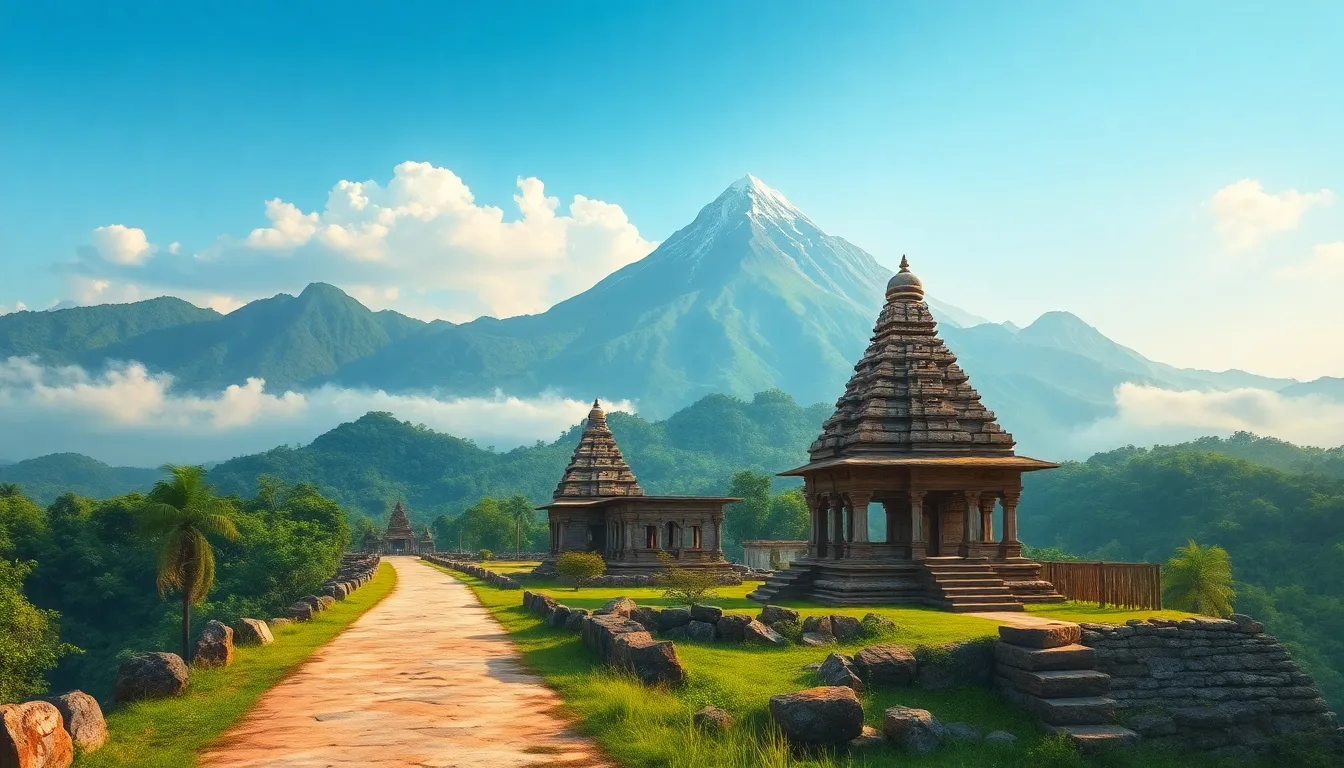
Nishidhasagamam emerged during a pivotal period in ancient Indian spiritual development. Its historical foundations reveal a complex interweaving of religious practices, geographical significance, and philosophical evolution that continue to influence spiritual seekers today.
Origins and Development Through the Ages
Archaeological evidence dates the earliest Nishidhasagamam practices to approximately 800 BCE during the later Vedic period. Sanskrit inscriptions discovered at the base of Mount Nishidha contain references to specialized pilgrimage routes and ceremonial practices that evolved from earlier Vedic rituals. The tradition gained prominence during the Gupta Empire (320-550 CE), when royal patronage established elaborate temple complexes along the pilgrimage routes. Buddhist chronicles from the 4th century CE mention Mount Nishidha as a site where spiritual practitioners from multiple traditions converged. During medieval times (10th-15th centuries), the practice incorporated elements from emerging bhakti movements, expanding its accessibility beyond ascetic practitioners. Colonial-era British scholars first documented these practices in Western literature in 1837, though many misinterpreted the profound spiritual aspects as mere superstition.
Key Historical Figures Associated With Nishidhasagamam
Rishi Markandeya stands as the most significant figure in Nishidhasagamam’s development, credited with codifying the core practices in the original Sanskrit manuscript. Philosopher-sage Adi Shankaracharya (788-820 CE) incorporated elements of Nishidhasagamam into his Advaita Vedanta teachings, particularly its meditation techniques focusing on non-dual awareness. Queen Prabhavati Gupta, daughter of Emperor Chandragupta II, sponsored five major temples along the Nishidha pilgrimage route in the 5th century. The medieval saint-poet Jñāneśvar (13th century) translated portions of Nishidhasagamam into Marathi, making these teachings accessible to non-Sanskrit speakers. Swami Vivekananda mentioned Nishidhasagamam practices in his lectures on Raja Yoga during the 1890s, introducing these concepts to Western audiences. Contemporary scholar Dr. Kapila Vatsyayan conducted extensive research on Nishidhasagamam’s artistic representations in temple carvings across central India, establishing their cultural importance beyond purely religious contexts.
Core Principles and Teachings of Nishidhasagamam
Nishidhasagamam presents a comprehensive spiritual framework centered on attaining higher consciousness through specific practices and philosophical understandings. Its teachings combine metaphysical concepts with practical applications, creating a holistic approach to spiritual advancement.
Philosophical Foundations
Nishidhasagamam’s philosophy rests on three interconnected principles: cosmic unity, cyclical existence, and transcendental awareness. The doctrine emphasizes that all beings share a fundamental essence (Brahman) despite apparent separation in physical form. Five key philosophical concepts underpin this tradition: Anantasambandha (infinite interconnectedness), Nishidhamarga (the path beyond obstacles), Satyanusmriti (contemplation of ultimate truth), Dhyanayoga (meditative absorption), and Karmatyaga (transcending action through detachment). These concepts frame existence as a continuous journey toward spiritual realization rather than a destination. Sanskrit texts within Nishidhasagamam frequently employ paradoxical language to convey truths beyond intellectual understanding, challenging practitioners to experience reality directly rather than conceptualize it.
Spiritual Practices and Rituals
Nishidhasagamam practitioners engage in graduated spiritual disciplines designed to purify consciousness across seven progressive stages. Daily rituals begin with Pranapratishtha (energy awakening) performed at dawn using specific mudras (hand gestures) and pranayama techniques involving 108 specialized breath cycles. Advanced practitioners undertake Nishidhadhyana meditation during specific lunar phases, sitting in Vajrasana posture while visualizing ascent through symbolic mountain paths representing consciousness levels. Mantric recitations feature prominently, particularly the 41-syllable Nishidhabeeja mantra chanted in precise rhythmic patterns. Ceremonial offerings include fragrant herbs like Vacha (sweet flag) and Kushta (costus), arranged in geometric yantra patterns during solstice gatherings. These practices create experiential knowledge that transforms theoretical understanding into lived spiritual wisdom.
The Literary Structure and Style of Nishidhasagamam
Nishidhasagamam exhibits remarkable literary craftsmanship that transcends its spiritual content. Its intricate composition reflects sophisticated literary techniques that have captivated scholars and spiritual seekers alike for centuries.
Poetic Elements and Linguistic Features
The poetic foundation of Nishidhasagamam rests on carefully constructed Sanskrit verses that employ multiple chandas (metrical patterns), primarily Anustubh and Upajati meters. Complex alliteration techniques like anuprāsa create melodic resonance throughout the text, enhancing its oral transmission qualities. Metaphorical imagery dominates the manuscript, with recurring symbols of mountain paths representing spiritual ascension and river crossings symbolizing transformative experiences. The text employs at least 12 distinct alamkāras (poetic ornaments), including rūpaka (extended metaphor) and utprekṣā (poetic hyperbole) to convey abstract spiritual concepts through tangible imagery. Linguistic analysis reveals the text’s unique lexical features, including specialized terminology for meditative states and rare Sanskrit verbal forms that precisely describe subtle spiritual phenomena. These linguistic innovations have contributed specialized vocabulary to later Tantric and Yogic literature traditions.
Cultural Impact and Significance of Nishidhasagamam
Nishidhasagamam stands as a cultural cornerstone that extends far beyond its spiritual foundations. Its profound philosophy and imagery have permeated various aspects of Indian cultural expression, creating ripples across artistic disciplines and societal frameworks for centuries.
Influence on Art, Music, and Literature
The aesthetic dimensions of Nishidhasagamam manifest prominently in classical Indian art forms, particularly in temple sculptures depicting pilgrims ascending Mount Nishidha. Medieval paintings from the Pahari school frequently portray scenes from the manuscript, using distinctive iconography of spiral paths and celestial observers. Literary traditions have embraced Nishidhasagamam’s rich symbolism, with poets like Kalidasa incorporating its metaphorical mountain journey in works such as “Meghaduta.” Classical music traditions preserve ancient Nishidhasagamam chants through ragas such as Nishidhabhairavi, performed during dawn ceremonies at major temples. Contemporary artists continue drawing inspiration from these traditions, with filmmaker Adoor Gopalakrishnan’s “Ascent” (2008) reimagining the spiritual journey in modern cinematic language.
Modern Interpretations and Relevance
Nishidhasagamam’s philosophical framework resonates strongly with contemporary mindfulness movements seeking authentic spiritual practices. Academic institutions including Harvard Divinity School and Banaras Hindu University have established dedicated research programs examining its relevance to modern psychological wellness approaches. Environmental conservation efforts around Mount Nishidha draw directly from the text’s emphasis on natural sanctity, creating protected ecological zones based on traditional boundaries described in the manuscript. Digital platforms have emerged sharing Nishidhasagamam practices, with the “Nishidha Collective” gathering over 300,000 online practitioners worldwide. The tradition’s non-dogmatic approach to spiritual growth appeals particularly to younger generations searching for meaningful practices without rigid religious constraints, making it increasingly relevant in today’s spiritually diverse landscape.
How Nishidhasagamam Compares to Other Religious Texts
Nishidhasagamam occupies a unique position in the pantheon of religious literature, distinguished by several characteristics that set it apart from other sacred texts. Unlike the narrative-focused Ramayana or Mahabharata, Nishidhasagamam combines practical spiritual instruction with poetic allegory, creating a multidimensional approach to spiritual development.
The text’s structural organization into three distinct sections (Prasthanam, Yatra, and Phalashruti) resembles the Buddhist Tripitaka’s systematic arrangement, though Nishidhasagamam places greater emphasis on experiential knowledge rather than doctrinal exposition. Its progressive seven-stage spiritual discipline framework shares similarities with Patanjali’s Yoga Sutras but incorporates more ceremonial elements and nature-based practices.
Compared to the Bhagavad Gita’s dialogue format, Nishidhasagamam employs varied literary techniques including poetry, mantras, and descriptive prose. The Upanishads and Nishidhasagamam both explore cosmic unity concepts, yet Nishidhasagamam grounds these abstract principles in specific geographical contexts and ritual practices.
Sanskrit compositions in Nishidhasagamam feature unique metrical patterns absent in other religious texts, utilizing specialized vocabulary that influenced later Tantric traditions. Metaphorical imagery in Nishidhasagamam centers predominantly on mountain symbolism, while texts like the Puranas favor celestial and divine metaphors.
Eastern religious texts generally emphasize individual spiritual growth, but Nishidhasagamam’s approach differs by integrating communal ceremonial gatherings at specific astronomical times with personal meditative practices. The manuscript’s focus on Mount Nishidha as both physical location and metaphysical concept creates a distinct sacred geography not found in more widely-circulated Hindu texts.
Preserving Nishidhasagamam in the Digital Age
Digital technologies have transformed how ancient wisdom like Nishidhasagamam reaches modern audiences. Archives across India have begun digitizing the seven rare complete manuscripts, creating high-resolution scans that capture intricate details of the original Sanskrit text. These digital repositories enable scholars from various countries to access and study these sacred writings without risking damage to fragile historical documents.
Mobile applications now offer simplified versions of Nishidhasagamam practices, including guided meditations based on the Nishidhadhyana technique and audio recordings of the 41-syllable Nishidhabeeja mantra. Online communities connect practitioners across continents, facilitating virtual gatherings during solstices that mirror the traditional ceremonial practices described in the manuscript.
Academic institutions have established collaborative digital platforms where researchers share translations, interpretations, and comparative analyses of Nishidhasagamam. Harvard University’s Sanskrit Digital Library recently added annotated excerpts from the text, complete with linguistic analysis tools that highlight the manuscript’s unique poetic structures and metaphorical imagery.
Environmental conservation efforts around Mount Nishidha now incorporate digital mapping technologies to document sacred sites mentioned in the manuscript. Conservationists work alongside spiritual communities to protect these locations while making them accessible through virtual reality experiences for those unable to make physical pilgrimages.
Contemporary teachers blend traditional Nishidhasagamam wisdom with modern mindfulness approaches through webinars and online courses. They emphasize practical applications of concepts like Anantasambandha (infinite interconnectedness) and Satyanusmriti (contemplation of ultimate truth) for today’s fast-paced lifestyle. Social media platforms feature dedicated channels where younger generations explore these ancient teachings without rigid religious frameworks, creating a dynamic evolution of this timeless wisdom.
Conclusion
Nishidhasagamam stands as a profound spiritual heritage that transcends its ancient origins to offer timeless wisdom for contemporary seekers. This sacred tradition beautifully interweaves philosophical depth with practical spiritual disciplines across its literary masterpiece and physical pilgrimage routes.
The resurgence of interest in Nishidhasagamam reflects humanity’s enduring quest for authentic spiritual connection in an increasingly disconnected world. Through digital preservation efforts and modern adaptations, its teachings continue to evolve without losing their essential truth.
As both manuscript and spiritual practice, Nishidhasagamam remains a living tradition that bridges past and present. Its unique approach to cosmic unity through nature-based rituals and progressive spiritual development continues to inspire those searching for deeper meaning beyond conventional religious frameworks.