






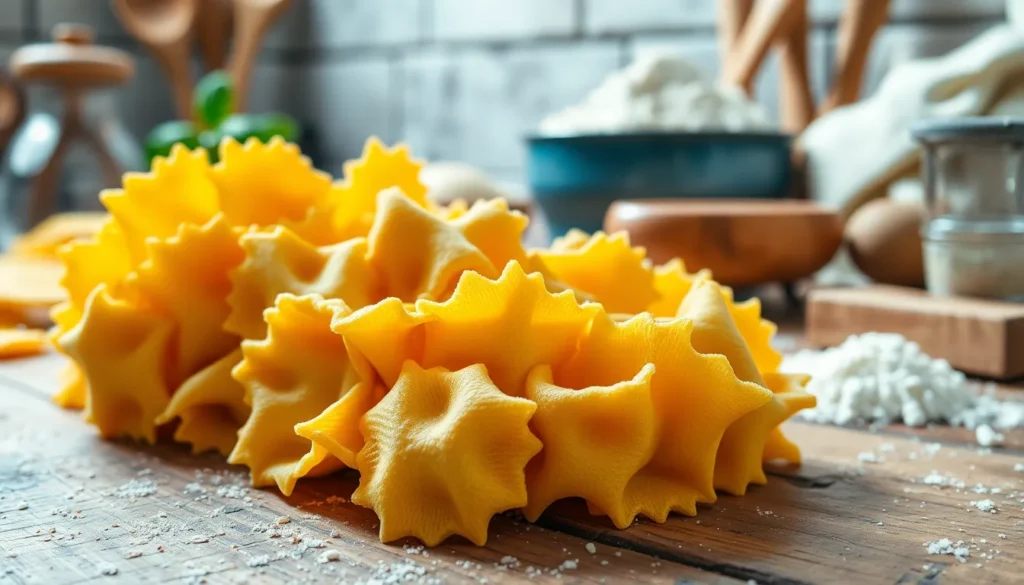
Clongarelli, the fascinating Italian culinary tradition that’s been captivating food enthusiasts worldwide, remains one of Italy’s best-kept secrets. These handcrafted pasta parcels from the picturesque region of Tuscany combine ancient techniques with flavors that dance on the palate like a Renaissance masterpiece.
Never heard of Clongarelli before? Don’t worry—you’re not alone! This delightful dish has flown under the radar for centuries, quietly perfected by Italian grandmothers who’ve passed down their closely guarded recipes through generations. With its distinctive folded shape and hearty filling of locally sourced ingredients, Clongarelli offers a taste experience that’s both authentic and unforgettable.
What Is Clongarelli: Origin and History
Clongarelli originated in the mountainous villages of northern Tuscany during the 16th century as a practical solution to food preservation. Local families created these pasta parcels to extend the shelf life of seasonal ingredients through harsh winters. Historical records from 1573 mention “clongare” (to preserve) in relation to these distinctive folded pouches.
The technique evolved from necessity to artistry under the influence of the Medici family, who encountered similar dishes during their trading expeditions. Florentine court documents from 1612 describe elaborate feasts featuring “clongarelli ripieni” (filled clongarelli) served to visiting dignitaries.
Tuscan immigrants brought clongarelli to America in the early 1900s, establishing small enclaves in New York and Boston where traditional preparation methods continued. The pasta remained predominantly a family tradition rather than a commercial product, explaining its limited recognition outside Italian communities.
Traditional clongarelli features a distinctive six-fold pattern, creating compartments for different fillings within a single pasta piece. Culinary historians note this unique design separates clongarelli from similar Italian pasta varieties like ravioli or tortellini.
Master pasta maker Giulia Bartolini documented regional variations in her 1987 cookbook “Le Paste Dimenticate” (The Forgotten Pastas), highlighting how mountain villages developed unique adaptations based on local ingredients. Northern villages incorporated alpine herbs and goat cheese, while coastal variations featured seafood components.
Recent culinary interest has sparked renewed attention to clongarelli, with food historians researching its authentic origins and traditional preparation methods to preserve this cultural heritage before family recipes disappear entirely.
Key Features and Characteristics of Clongarelli
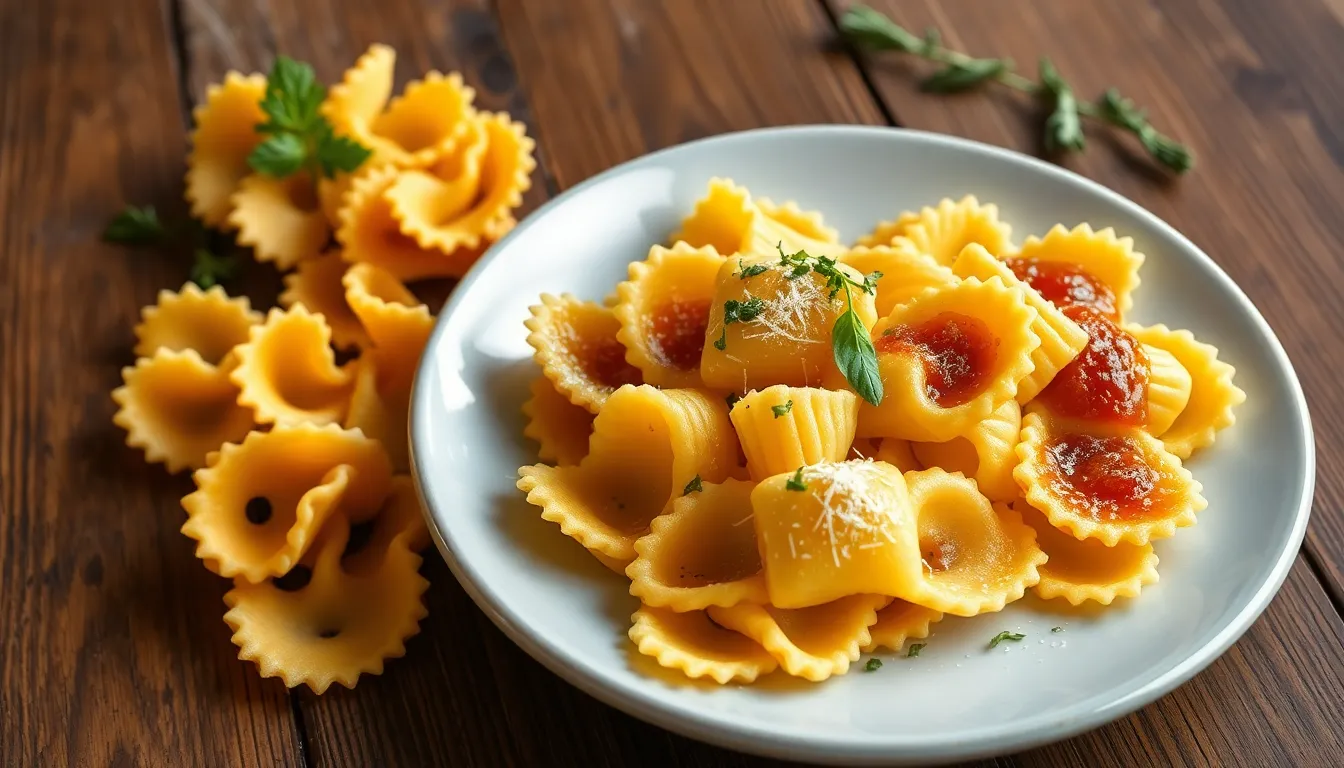
Clongarelli distinguishes itself through several distinctive attributes that have preserved its uniqueness throughout centuries of Italian culinary tradition. Its special characteristics reflect both practical origins and artistic evolution, making it a standout in authentic Tuscan cuisine.
Visual Appearance and Design Elements
Authentic clongarelli exhibits a meticulously crafted hexagonal structure with six precisely folded corners that create individual pockets for fillings. Each fold demonstrates remarkable symmetry, traditionally measuring 2-3 centimeters in diameter for standard versions, though ceremonial varieties reach 5-6 centimeters. The pasta’s exterior displays a golden-amber hue when properly prepared, often featuring decorative pinched edges that serve both aesthetic and functional purposes by sealing contents securely. Regional variations include northern Tuscan clongarelli with their characteristic ridge patterns impressed using specialized wooden tools, while coastal interpretations incorporate subtle herb imprints visible on the surface. Modern presentations emphasize these visual elements through artistic plating techniques that showcase the pasta’s architectural complexity.
Materials and Construction
Traditional clongarelli dough contains a specific ratio of semolina flour (70%) to soft wheat flour (30%), creating the ideal elasticity for proper folding. Master pasta makers incorporate 3-4 eggs per kilogram of flour, yielding the distinctive yellow tint and structural integrity necessary for holding substantial fillings. The construction process requires specialized wooden pins called “mattarelli scanalati” with ridged surfaces that impart texture to the dough during rolling. Authentic preparation involves hand-cutting circular dough sheets measuring precisely 10 centimeters in diameter before executing the signature six-fold technique. The folding method creates internal chambers that prevent moisture transfer between different filling components, allowing contrasting ingredients to maintain their distinct flavors even after cooking. High-quality clongarelli maintains a consistent wall thickness of 1.5 millimeters throughout each piece.
Popular Clongarelli Varieties in Today’s Market
The clongarelli market has evolved dramatically in recent years, with both traditional and innovative varieties appearing on restaurant menus and specialty food shops worldwide. These Tuscan pasta parcels have transcended their humble origins to become sought-after delicacies among culinary enthusiasts seeking authentic Italian experiences.
Traditional vs. Contemporary Models
Traditional clongarelli varieties remain faithful to centuries-old recipes, featuring the classic hexagonal fold and regional Tuscan fillings. Montanara clongarelli incorporates foraged mushrooms, aged pecorino, and wild herbs harvested from northern Tuscan hillsides. Famiglia Rossi produces the most renowned traditional variety, using a 300-year-old recipe with their signature saffron-infused dough. Contemporary interpretations have emerged from innovative chefs who respect the six-fold technique while introducing non-traditional fillings. Chef Marco Valentini’s award-winning truffle and mascarpone clongarelli pairs black summer truffles with creamy cheese. Modern variations often feature vibrant colored doughs using natural ingredients like beet, spinach, or squid ink while maintaining the distinctive structure that defines authentic clongarelli.
How to Choose the Right Clongarelli for Your Needs
Selecting the perfect clongarelli requires understanding key quality factors and matching varieties to specific occasions. The right choice enhances your dining experience while honoring this traditional Tuscan specialty’s authentic characteristics.
Quality Indicators to Look For
High-quality clongarelli exhibits several distinctive characteristics that separate authentic products from inferior imitations. The dough should display a uniform golden-amber color with consistent thickness of exactly 1.5 millimeters throughout each fold. Examine the hexagonal structure for precision—all six corners must be evenly shaped and securely sealed to prevent filling leakage during cooking. Premium clongarelli features visible “grain lines” running parallel across the surface, indicating proper dough development and kneading technique. The pinched edges should show clear, deliberate artisan markings rather than machine-pressed uniformity. Fresh clongarelli has a slightly tacky texture when touched but never feels sticky or dry. Artisanal producers like Famiglia Rossi apply a subtle dusting of semolina flour that creates a distinctive textural contrast against the smooth pasta surface, confirming traditional craftsmanship in every piece.
Proper Care and Maintenance of Your Clongarelli
Storing clongarelli correctly preserves its delicate structure and flavors. Fresh clongarelli lasts 2-3 days when refrigerated in an airtight container lined with parchment paper and lightly dusted with semolina flour to prevent sticking. Dried varieties maintain quality for 8-12 months when kept in a cool, dark pantry away from moisture sources.
Freezing extends fresh clongarelli’s lifespan to 3 months without compromising texture. Place uncooked pieces on a semolina-dusted baking sheet, freeze them individually for 2 hours, then transfer to freezer bags with the air removed. Cook frozen clongarelli directly without thawing, simply adding 1-2 minutes to the standard cooking time.
Cooking clongarelli requires gentle handling to maintain its distinctive hexagonal structure. Bring a large pot of salted water (10g salt per liter) to a gentle boil rather than a rolling boil. Add clongarelli carefully using a slotted spoon, stirring once gently to prevent sticking. Fresh clongarelli cooks in 3-4 minutes, while dried varieties need 8-10 minutes until they float to the surface and reach al dente texture.
Traditional serving recommendations enhance clongarelli’s unique characteristics. Toss cooked clongarelli with 2 tablespoons of butter or olive oil before adding sauce to prevent the delicate pasta from absorbing too much moisture. Simple sauces like sage butter, light cream, or clear broths complement without overwhelming the complex flavors of the fillings. Serve immediately after saucing on warmed plates to maintain optimal temperature and texture.
Top Brands and Manufacturers of Clongarelli
Several renowned Italian producers dominate the authentic clongarelli market, each bringing unique approaches to this traditional Tuscan pasta. Antica Casa Bartolini stands as the oldest continuously operating clongarelli maker, crafting their signature hexagonal pasta pouches since 1847 in the hillside town of Barga. Their “Clongarelli Classico” line features dough aged for 36 hours before folding, creating distinctive elasticity that’s earned them three consecutive “Pasta Excellence” awards.
Pastificio Toscana produces the most widely distributed premium clongarelli, with their products appearing in specialty food shops across 27 countries. Their facility combines traditional handcrafting techniques with modern food safety standards, producing 3,000 pieces daily without compromising the six-fold technique essential to authentic clongarelli.
Family-owned La Nonna Vera creates small-batch artisanal varieties using recipes documented in their family cookbook from 1892. Their signature “Montanara” clongarelli incorporates wild mushrooms harvested from the same forests where their ancestors foraged centuries ago. Each package contains exactly 24 pieces, individually crafted and stamped with their distinctive flower pattern along the edges.
Nuovo Tradizionale represents the modernist approach, founded by Chef Paolo Bianchi after training under Tuscan pasta masters. Their innovative “Fusion Collection” honors traditional folding techniques while incorporating Japanese yuzu, North African harissa, and other global flavors into their fillings. Despite these contemporary interpretations, their construction maintains the precise 1.5mm wall thickness characteristic of premium clongarelli.
American-based Tuscan Heritage offers the first USDA-certified organic clongarelli, created by descendants of original immigrant families who brought clongarelli recipes to Boston in 1908. Their production combines authentic family techniques with organic ingredients sourced from small farms in California and Vermont.
Price Range and Value Considerations
Authentic clongarelli commands varying price points across market segments, reflecting differences in craftsmanship, ingredients, and production methods. Entry-level commercial varieties typically retail between $8-12 per 250g package, offering accessibility to those exploring this Tuscan specialty for the first time. Artisanal options from producers like Antica Casa Bartolini fetch $18-25 per package, justifying their premium through traditional six-fold techniques and regional ingredient sourcing.
Hand-crafted, small-batch clongarelli from specialty makers represents the luxury tier, commanding $30-45 for limited production runs. La Nonna Vera’s seasonal truffle-filled varieties regularly sell out at $42 despite their premium positioning. Restaurants typically apply a 3x markup on clongarelli dishes, with high-end establishments charging $28-36 for signature preparations featuring this distinctive pasta.
Several factors influence clongarelli pricing beyond brand reputation. Production method serves as the primary value determinant, with hand-folded varieties requiring 4-5 times longer to produce than machine-assisted alternatives. Ingredient quality creates significant cost variation, especially when incorporating elements like DOP-certified cheeses or foraged Tuscan mushrooms. Packaging contributes to pricing strategy, with premium producers investing in humidity-controlled containers that extend shelf life by 30%.
Value assessment extends beyond simple price comparison when evaluating clongarelli options. Traditional varieties offer cultural authenticity, connecting consumers to centuries of Tuscan culinary heritage. Premium producers provide transparency through detailed provenance information, allowing customers to trace ingredients to specific Italian regions. Special dietary formulations, including gluten-free and organic certified options from producers like Tuscan Heritage, command 15-20% price premiums while serving specific consumer needs. These considerations help shoppers make informed decisions when navigating the diverse clongarelli marketplace.
Conclusion
Clongarelli stands as a testament to Italy’s rich culinary heritage with its distinctive hexagonal structure and carefully crafted fillings. This Tuscan treasure has journeyed from practical preservation method to artisanal masterpiece while maintaining its authentic character.
As more chefs and food enthusiasts discover clongarelli the market continues to expand offering both traditional recipes and innovative interpretations. The growing availability from established producers ensures this once-obscure pasta remains accessible to those seeking authentic Italian experiences.
Whether you choose entry-level options or splurge on luxury small-batch varieties understanding the craftsmanship behind true clongarelli enhances appreciation for this unique food tradition. By selecting quality products and handling them with care enthusiasts worldwide can now participate in a culinary tradition that bridges centuries of Italian gastronomic excellence.