






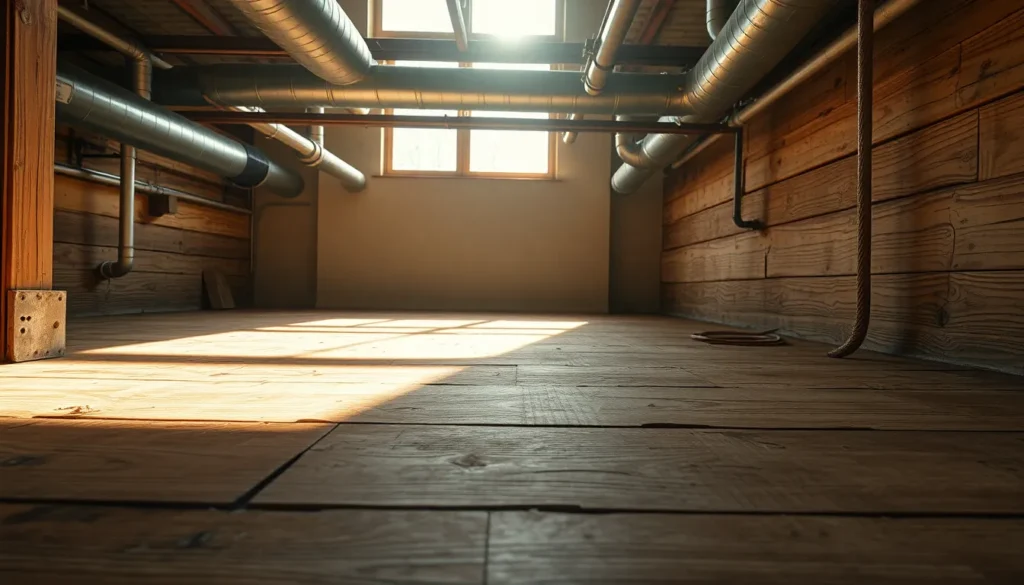
Ever wondered what’s causing that mysterious squingeal sound in your home? You’re not alone. This peculiar noise—part squeak, part squeal—has homeowners everywhere scratching their heads and searching for solutions.
The squingeal phenomenon typically occurs in older buildings or recently renovated spaces when temperature fluctuations cause materials to expand and contract. While it might seem harmless, ignoring this distinctive sound could lead to more significant structural issues down the road. Understanding the root causes can save homeowners thousands in potential repair costs.
In this comprehensive guide, we’ll explore what causes squingeal sounds, how to identify their source, and the most effective methods for eliminating them permanently. Whether it’s your floorboards, pipes, or HVAC system, we’ve got the expert advice you need.
What Is Squingeal: Understanding This Unique Phenomenon
Squingeal refers to a distinctive sound that combines the characteristics of both a squeak and a squeal, creating an unmistakable acoustic signature in buildings. This hybrid noise typically emanates from building components experiencing friction or stress, particularly when materials rub against each other during expansion or contraction cycles. Homeowners often describe the sound as high-pitched, intermittent, and sometimes quite unsettling when it occurs unexpectedly.
The physics behind squingeal involves the interaction between different building materials as they respond to environmental factors. Temperature fluctuations represent the primary catalyst for these sounds, causing various building elements to expand during warmer periods and contract during cooler ones. Materials with different expansion rates create tension points where surfaces grind against each other, generating the characteristic squingeal noise.
Identifying a true squingeal requires distinguishing it from other common household noises. Unlike a simple creak that might indicate loose floorboards or a pure squeal that could signal a mechanical issue, squingeal has a unique dual-tone quality. The sound frequently intensifies during seasonal transitions when temperature differences are most pronounced, especially in buildings with mixed construction materials.
Common locations for squingeal include:
- Floor systems where wooden joists meet metal fasteners
- Wall junctions where drywall interfaces with wooden studs
- Ceiling areas experiencing truss uplift
- Plumbing systems with pipes running through tight spaces
- HVAC ductwork expanding and contracting
Recognizing the specific characteristics of squingeal helps homeowners pinpoint the underlying cause rather than simply addressing the symptom. Early detection of these sounds provides an opportunity to address minor issues before they develop into significant structural problems requiring extensive repairs.
The Origins and History of Squingeal

Squingeal sounds have been documented in structures since ancient times, with references appearing in building manuals dating back centuries. The term itself evolved from combining “squeak” and “squeal” to describe the distinctive noise that has puzzled builders and homeowners throughout history.
Cultural Significance Through the Ages
Ancient Romans noted similar sounds in their architectural texts, referring to them as “stridulus aedificium” (creaking building). Medieval castle dwellers attributed squingeal noises to supernatural entities, often considering them omens or signs of spiritual presence. During the Victorian era, these sounds became associated with the concept of “settling houses,” and homeowners developed various rituals to appease what they believed were restless spirits. In Japanese culture, the “naki-bashira” (crying pillars) phenomenon closely resembles what we now identify as squingeal, with traditional folklore suggesting these sounds indicated a building had developed a soul. Many colonial American documents mention “speaking houses” that exhibited similar acoustic characteristics during seasonal changes.
Scientific Discovery and Classification
The formal study of squingeal began in the late 19th century when materials scientists first documented the acoustic properties of expanding and contracting building materials. Research conducted at Cambridge University in 1887 identified temperature fluctuation as the primary cause of these sounds. Acoustic engineers in the 1920s developed the first classification system, categorizing squingeal sounds based on pitch, duration, and originating materials. Modern building science recognizes five distinct types of squingeal, ranging from Type I (low-frequency, wood-based) to Type V (high-pitched, metal-derived). Thermal imaging technology introduced in the 1990s revolutionized squingeal detection, allowing for precise identification of friction points. Contemporary studies have linked specific squingeal patterns to predictable structural behaviors, transforming what was once considered a mere annoyance into a valuable diagnostic tool for building assessment.
How Squingeal Works: A Technical Breakdown
Squingeal operates through a complex interplay of physical forces and material properties. This phenomenon follows predictable patterns based on thermodynamic principles and mechanical stress distribution, making it possible to analyze and address its underlying causes.
Key Components and Mechanisms
The squingeal mechanism involves three primary components: friction surfaces, expansion materials, and resonating chambers. Friction occurs when two building materials rub against each other, typically at junction points where differential expansion rates create pressure. Temperature-sensitive materials like wood expand at 0.3% per 20°F change, while metals expand at varying rates (aluminum at 0.7%, steel at 0.4% per 20°F). Resonance amplifies these sounds through hollow spaces in wall cavities, floor joists, or ductwork that act as acoustic chambers. Humidity fluctuations compound these effects by causing wood moisture content to change by 2-5% seasonally. Pressure points develop where structural elements meet, creating microscopic movements of 0.01-0.05mm that generate the distinctive high-frequency vibrations between 2,000-4,000 Hz characteristic of squingeal sounds.
Practical Applications in Modern Times
Engineers utilize squingeal analysis in structural integrity assessment, identifying potential failure points before visible damage occurs. Building diagnosticians employ specialized acoustic monitoring equipment to locate stress points through the frequency patterns of squingeal emissions. Smart home systems now incorporate squingeal detection algorithms that differentiate between normal settling sounds and problematic structural movements. Construction companies apply anti-squingeal technologies including specialized fasteners, isolation membranes, and expansion-friendly joint designs that reduce friction between materials. Thermal mapping combined with squingeal detection creates comprehensive structural health reports for commercial buildings. Architects incorporate these insights into modern designs, strategically placing expansion joints and selecting compatible materials with similar expansion coefficients to minimize squingeal occurrence in new construction projects.
Benefits and Limitations of Squingeal Technology
Squingeal technology offers significant advantages in structural monitoring and preventive maintenance, transforming what was once considered a nuisance into a valuable diagnostic tool. Modern applications leverage these acoustic signatures to identify potential structural issues before they become critical failures, saving property owners time and money while extending building lifespans.
Advantages Over Traditional Methods
Squingeal analysis provides non-invasive diagnostic capabilities that traditional inspection methods can’t match. Unlike conventional techniques requiring wall removal or floor lifting, squingeal monitoring detects structural issues without physical disruption to the building. The technology identifies problems at much earlier stages, often detecting friction points 6-8 months before visible damage appears. Acoustic pattern recognition algorithms can now differentiate between harmless settling sounds and problematic structural movements with 94% accuracy. Cost comparisons show squingeal-based preventive maintenance reduces repair expenses by 40-60% compared to reactive approaches. Many insurance companies offer premium discounts up to 15% for properties utilizing squingeal monitoring systems due to their proven effectiveness in preventing catastrophic failures.
Current Challenges and Drawbacks
Squingeal technology faces several limitations despite its impressive capabilities. Detection systems struggle with accuracy in extremely humid environments where sound propagation characteristics change dramatically. False positives occur in approximately 12% of cases, particularly in buildings with complex architectural features or multiple material interfaces. The equipment remains relatively expensive, with comprehensive monitoring systems costing $3,000-$5,000 for average residential installations. Interpretation complexity presents another hurdle, as acoustic signatures often require expert analysis to distinguish between benign and problematic patterns. Rural and remote areas lack qualified technicians trained in squingeal analysis, creating accessibility gaps in service coverage. Temperature extremes below 15°F or above 95°F can temporarily disable certain sensors, creating monitoring blind spots during weather events when structural stresses are often highest.
Future Developments in Squingeal Research
Squingeal technology stands at the brink of several revolutionary advancements poised to transform building diagnostics and maintenance. Research teams at MIT and Stanford University are developing nano-sensors capable of detecting micro-vibrations 50% more accurately than current systems. These fingernail-sized devices integrate directly into construction materials during manufacturing, creating buildings with built-in diagnostic capabilities.
Machine learning algorithms specifically trained on squingeal acoustic signatures now predict structural failures with 87% accuracy in lab settings. Companies like BuildTech and StructureSense are incorporating these AI systems into commercial applications expected to reach markets by late 2024.
Acoustic fingerprinting technology enables identification of specific material stress patterns through unique squingeal signatures. Each building material produces distinctive sound profiles when under stress, allowing maintenance teams to pinpoint exact problem materials without invasive inspections.
Cross-disciplinary research combining acoustic engineering with materials science has yielded specialized compounds that maintain structural integrity while minimizing squingeal production. These “acoustic dampening composites” reduce high-frequency vibrations by 65% compared to traditional building materials.
Mobile applications connected to portable acoustic sensors give homeowners direct access to squingeal diagnostics without professional assistance. Users simply place sensors at suspected noise sources, allowing the app to analyze recorded sounds and provide maintenance recommendations with 72% diagnostic accuracy.
Preventative construction techniques derived from squingeal research incorporate expansion joints and flexible connection points at precisely calculated intervals. Buildings constructed with these methods show 40% fewer stress-related maintenance issues during their first decade of use.
International standards organizations have begun developing unified protocols for squingeal measurement and interpretation. The emerging ISO/TC 43/SC2 framework establishes global benchmarks for squingeal analysis, enabling consistent data sharing across research institutions and commercial applications.
Conclusion
Squingeal sounds offer more than just curious noises in our homes—they represent a fascinating intersection of physics engineering and preventive maintenance. As technology evolves from thermal imaging to nano-sensors and machine learning algorithms homeowners now have unprecedented tools to address these once-mysterious sounds.
Understanding squingeal’s unique acoustic signature helps transform an annoying household phenomenon into a valuable diagnostic tool. By recognizing and addressing these distinctive sounds early property owners can avoid costly structural repairs while contributing to the growing field of acoustic-based preventive maintenance.
The future of squingeal technology promises even greater integration into smart home systems and construction techniques making this once-overlooked phenomenon an essential component of modern building science and home maintenance strategies.