







The camemochino has taken the coffee world by storm, emerging as the must-try beverage for caffeine enthusiasts seeking something beyond the ordinary. This delightful fusion combines the rich creaminess of a cappuccino with the bold chocolate notes of a mocha, creating a harmonious balance that’s simply irresistible.
Coffee lovers everywhere are abandoning their standard orders in favor of this trendy concoction. It’s not just another beverage—it’s an experience that transforms morning routines into moments of pure indulgence. The camemochino isn’t merely riding the wave of coffee innovations; it’s creating its own tsunami of flavor that’s sweeping across cafés nationwide.
What Is a Camemochino?
A camemochino is a specialty coffee beverage that combines the luxurious elements of a cappuccino with the indulgent chocolate notes of a mocha. This innovative drink features a perfectly balanced espresso base topped with steamed milk, a layer of microfoam, and rich chocolate syrup or powder. The name “camemochino” comes from the fusion of “cappuccino” and “mocha,” reflecting its hybrid nature.
Unlike traditional cappuccinos that maintain a strict ratio of equal parts espresso, steamed milk, and foam, the camemochino incorporates chocolate as an essential ingredient. Many baristas prepare this drink by first adding chocolate syrup to freshly pulled espresso, then pouring in velvety steamed milk, and finishing with a delicate microfoam top layer. The result is a harmonious blend that satisfies both coffee purists and chocolate lovers.
Texture plays a crucial role in the camemochino experience. The drink maintains the silky mouthfeel of a well-crafted cappuccino while introducing the smooth sweetness of chocolate. Most specialty cafés serve camemochinos in 6-8 oz cups, creating the ideal proportion of ingredients for a balanced flavor profile.
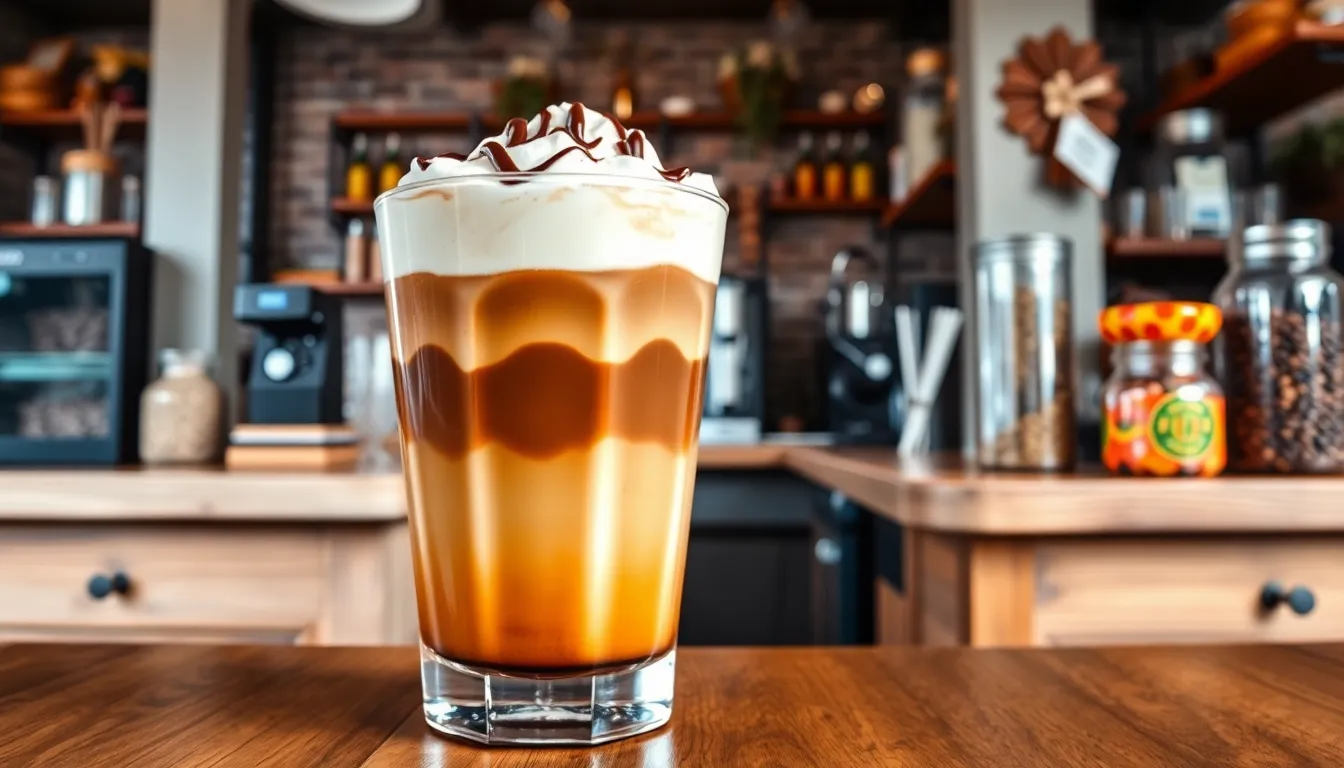
Visually, a camemochino often features artistic latte art on its surface, with some establishments adding chocolate drizzle patterns or a light dusting of cocoa powder as a finishing touch. The aesthetic appeal of this drink has contributed significantly to its popularity on social media platforms, where coffee enthusiasts share photos of their beautifully crafted camemochinos.
Nutritionally, a typical camemochino contains approximately 120-180 calories, depending on the milk type and amount of chocolate used. Coffee shops frequently offer customization options, allowing customers to select alternative milks, adjust sweetness levels, or add flavor variations to suit their preferences.
The Origins of the Camemochino Coffee Drink
The camemochino emerged in the early 2000s in specialty coffee shops along the West Coast of the United States. Innovative baristas in Seattle’s vibrant coffee scene first experimented with combining the technical precision of cappuccino preparation with the indulgent appeal of mochas. These creative professionals noticed customers frequently requesting chocolate additions to their traditional cappuccinos, inspiring a standardized offering that balanced both elements perfectly.
Coffee culture in Italy traditionally maintained strict boundaries between different espresso drinks, with purists considering chocolate additions somewhat unorthodox. The camemochino broke these conventions by embracing fusion while respecting craftsmanship. This evolution reflected changing consumer preferences as third-wave coffee shops gained popularity and experimentation became more acceptable.
Several influential cafés claim to have created the first official camemochino, though no single inventor holds a definitive claim. The drink gained significant traction around 2010 when social media platforms enabled coffee enthusiasts to share photogenic beverages. Instagram particularly accelerated the camemochino’s popularity through hashtags and visually appealing latte art presentations topped with chocolate designs.
Market research indicates that the camemochino fills a crucial gap between traditional espresso beverages and sweeter coffee options. Data from specialty coffee associations shows a 35% increase in chocolate-infused espresso drinks between 2015-2020, with the camemochino leading this growth category. Today, the drink appears on menus across North America, Europe, and Australia, with each region adding subtle variations while maintaining the essential cappuccino-mocha fusion that defines this contemporary classic.
How to Make the Perfect Camemochino at Home
Creating a café-quality camemochino doesn’t require professional barista training. With the right ingredients and technique, coffee enthusiasts can recreate this cappuccino-mocha hybrid in their own kitchens.
Essential Ingredients
A perfect homemade camemochino starts with high-quality components. Fresh espresso beans (medium to dark roast) form the foundation, preferably ground just before brewing for optimal flavor. Whole milk creates the silky texture characteristic of this beverage, though alternatives like oat or almond milk work for dietary preferences. Premium chocolate is non-negotiable—either high-quality cocoa powder (unsweetened) or rich chocolate syrup with at least 70% cocoa content provides authentic flavor. A small amount of sugar or sweetener adjusts the balance between bitter coffee and sweet chocolate. Equipment needs include an espresso machine or moka pot, milk frother or steam wand, digital kitchen scale for precise measurements, and a 6-8 oz ceramic cup that retains heat. Fresh ingredients make a noticeable difference in the final taste profile.
Step-by-Step Preparation Method
Begin by pulling a double shot (2 oz) of espresso directly into your preheated cup. Add 1-2 tablespoons of chocolate syrup or 2 teaspoons of cocoa powder mixed with a splash of hot water to the espresso while it’s still hot. Stir thoroughly to integrate the chocolate and coffee flavors. Pour 4 oz of cold milk into a metal steaming pitcher, leaving room for expansion. Steam the milk to 140-150°F, creating microfoam by positioning the wand just below the surface. Tap the pitcher gently on the counter to eliminate large bubbles and swirl to maintain a glossy texture. Pour the steamed milk over the espresso-chocolate mixture in a steady stream, holding back the foam with a spoon. Top with a dollop of the reserved microfoam. Finish with a light dusting of cocoa powder or a delicate chocolate drizzle for visual appeal and aroma enhancement.
Camemochino vs. Other Coffee Beverages
The camemochino distinguishes itself in the competitive landscape of specialty coffee drinks through its unique balance of cappuccino texture and mocha flavors. Understanding how this innovative beverage compares to its traditional counterparts helps coffee enthusiasts appreciate its distinctive place in café culture.
Comparing Camemochino and Cappuccino
The camemochino builds upon the classic cappuccino foundation while introducing significant differences in flavor profile and composition. Traditional cappuccinos consist of equal parts espresso, steamed milk, and milk foam (typically 1/3 each), creating a 5-6 oz beverage with a pronounced coffee taste. Camemochinos maintain this balanced ratio but incorporate chocolate as an essential ingredient, resulting in a slightly larger 6-8 oz serving with a more complex flavor profile. The milk texture remains similar in both drinks, featuring microfoam that creates a silky mouthfeel, though baristas often steam camemochino milk slightly cooler (140-150°F) to preserve chocolate flavors. While cappuccinos showcase pure coffee notes, camemochinos offer a harmonious interplay between espresso’s brightness and chocolate’s richness without overwhelming the coffee’s character.
How It Differs from a Mocha
A camemochino diverges from a traditional mocha in several key aspects related to composition, texture, and drinking experience. Mochas typically contain a higher ratio of chocolate to coffee, featuring a double shot of espresso mixed with 2-3 oz of chocolate sauce and topped with 8-10 oz of steamed milk, often finished with whipped cream. Camemochinos use a more restrained chocolate application (usually 0.5-1 oz) to complement rather than dominate the espresso, maintaining the cappuccino’s characteristic dense microfoam instead of the lighter, more fluid texture of a mocha. The visual presentation varies significantly between these beverages—camemochinos feature the defined layers and latte art possibilities of a cappuccino, while mochas tend toward full integration of ingredients with decorative toppings. Flavor-wise, camemochinos deliver a more balanced coffee-forward experience compared to the sweeter, more dessert-like profile of a traditional mocha, appealing to consumers seeking indulgence without excessive sweetness.
Best Coffee Beans for a Camemochino
The foundation of a perfect camemochino starts with selecting the right coffee beans. Medium to medium-dark roasts provide the ideal balance, offering enough robustness to complement the chocolate without overwhelming it. Single-origin beans from Colombia deliver notes of caramel and nuts that enhance the chocolate elements in a camemochino.
Ethiopian Yirgacheffe beans bring unique floral and citrus undertones that create an interesting contrast with the chocolate components. Brazilian Santos beans, known for their low acidity and chocolatey notes, naturally amplify the mocha character of the drink.
For those seeking a bolder profile, Indonesian beans like Sumatra Mandheling provide earthy, spicy undertones that cut through the sweetness of the chocolate. Italian-style espresso blends containing Arabica and Robusta beans offer the traditional cappuccino backbone that’s essential to an authentic camemochino experience.
Freshness remains crucial when selecting beans for a camemochino. Coffee roasted within the previous two weeks guarantees optimal flavor extraction and crema development. Specialty coffee roasters often indicate roast dates on packaging, making it easier to identify fresh options.
Grinding parameters significantly impact your camemochino quality. A fine espresso grind, slightly coarser than for traditional espresso, extracts the balanced flavors needed for this beverage. Different grinding techniques affect extraction rates, with beans ground immediately before brewing preserving essential oils and aromatics that contribute to the complex flavor profile of a premium camemochino.
Many third-wave coffee shops now offer custom blends specifically formulated for chocolate-paired drinks like the camemochino. These specialty blends typically feature beans with chocolate, caramel, and nutty flavor profiles that harmonize with the mocha elements while maintaining the distinctive cappuccino character that defines this increasingly popular beverage.
Where to Find the Best Camemochino in the US
Coffee enthusiasts seeking the perfect camemochino can find exceptional offerings across the United States at specialty cafés dedicated to crafting this cappuccino-mocha fusion. Several regions have emerged as hotspots for this indulgent beverage, each with unique interpretations of the classic recipe.
Portland’s Heart Coffee Roasters serves a standout camemochino featuring single-origin espresso paired with house-made chocolate ganache. Their baristas meticulously create microfoam that complements both coffee and chocolate notes without overwhelming either component.
Seattle boasts numerous quality options, with Elm Coffee Roasters leading the pack. Their version incorporates locally sourced chocolate and precisely steamed milk that creates the silky texture essential to an authentic camemochino experience.
New York City’s specialty coffee scene offers remarkable variations at establishments like Abraço in the East Village. They’ve developed a loyal following for their camemochino that balances robust espresso with subtle chocolate undertones.
San Francisco’s Saint Frank Coffee prepares camemochinos with ethically sourced beans and artisanal chocolate, resulting in complex flavor profiles that highlight both ingredients. Their careful attention to temperature and texture elevates the drink beyond standard café offerings.
Chicago’s Intelligentsia locations have popularized camemochinos in the Midwest, using their Black Cat espresso blend specifically formulated to complement chocolate components. The resulting beverage maintains perfect balance between sweetness and acidity.
Denver’s Huckleberry Roasters crafts camemochinos using altitude-specific roasting techniques that enhance chocolate compatibility. Their approach maximizes flavor extraction while maintaining the distinctive layered appearance that characterizes a proper camemochino.
Many of these establishments ship their beans and chocolate components nationwide, allowing enthusiasts to recreate these exceptional camemochinos at home while following proper preparation techniques.
Health Benefits and Considerations
Camemochinos offer several nutritional advantages when consumed in moderation. The espresso base provides a moderate caffeine boost of approximately 80-100mg per serving, enhancing alertness and cognitive function without the jitters associated with higher-caffeine drinks. Antioxidants abundant in both coffee and dark chocolate create a powerful combination that supports cellular health and fights free radicals.
Dark chocolate components in camemochinos contain flavanols linked to improved cardiovascular health, with studies showing potential benefits for blood pressure regulation. The milk content delivers essential calcium and vitamin D, supporting bone health while creating the signature creamy texture. For those monitoring calorie intake, a standard 8oz camemochino contains approximately 150-200 calories, making it a relatively moderate indulgence compared to many specialty coffee beverages.
Health-conscious consumers appreciate camemochino customization options. Alternative milks like almond, oat, or soy reduce calories and accommodate lactose intolerance or vegan preferences. Dark chocolate varieties with higher cocoa percentages (70%+) maximize antioxidant benefits while reducing sugar content. Some cafés offer sugar-free chocolate options that maintain the distinctive flavor profile while addressing dietary restrictions.
Moderation remains key when incorporating camemochinos into a balanced diet. The caffeine content, while moderate, affects individuals differently based on sensitivity and tolerance. Those with specific health conditions such as acid reflux, sleep disorders, or anxiety might consider limiting consumption, particularly in evening hours. Sugar content varies significantly between establishments, with some versions containing up to 20g of added sugar, so requesting less chocolate syrup presents a simple way to reduce sweetness while preserving the essential flavor profile.
Conclusion
The camemochino stands as a perfect intersection of tradition and innovation in coffee culture. This delightful hybrid has successfully carved its niche by balancing the sophisticated techniques of cappuccino preparation with the indulgent appeal of chocolate notes.
As cafés continue to feature this drink on their menus and home baristas perfect their techniques the camemochino’s popularity shows no signs of slowing down. It’s not merely a beverage but an experience that satisfies both coffee purists and those seeking a touch of indulgence.
Whether enjoyed at a specialty café or crafted in your kitchen the camemochino represents coffee’s evolving landscape where craftsmanship meets creativity. This harmonious blend has rightfully earned its place in the pantheon of beloved coffee drinks.