







Rasnkada might sound like a new dance craze, but it’s actually a delightful treat that’s capturing hearts and taste buds alike. Imagine sinking your teeth into a soft, melt-in-your-mouth delicacy that’s bursting with flavor. It’s not just food; it’s a celebration on a plate!
Overview of Rasnkada
Rasnkada features a unique blend of ingredients that create its signature texture. Made primarily from milk, sugar, and a mix of flavorings, this traditional treat captivates those who try it. The preparation process involves simmering milk to form a creamy consistency, enhancing the flavor profile.
Various regions have their interpretations of Rasnkada, adding to its allure. Some regions infuse it with cardamom, while others incorporate saffron for a luxurious touch. Each variation contributes to the rich tapestry of flavors, appealing to diverse palates.
Serving Rasnkada at celebrations showcases its cultural significance. Families often prepare it for festivals, weddings, and special gatherings, emphasizing togetherness and joy. This delicacy has become a staple in many households, deeply rooted in culinary traditions.
Rasnkada’s texture sets it apart from other desserts. It melts effortlessly in the mouth, providing a pleasing experience with every bite. The combination of sweetness and creaminess satisfies cravings effectively.
To truly appreciate Rasnkada, pairing it with other sweets enhances the tasting experience. Combining it with nuts or fruits can provide contrasting textures and tastes. Enjoying Rasnkada in various forms allows for creativity in its presentation.
This delightful treat continues to grow in popularity beyond its traditional roots. Many upscale eateries now offer Rasnkada, modernizing its presentation while honoring its origins. Its evolution reflects changing food trends while maintaining cultural relevance.
Historical Significance of Rasnkada
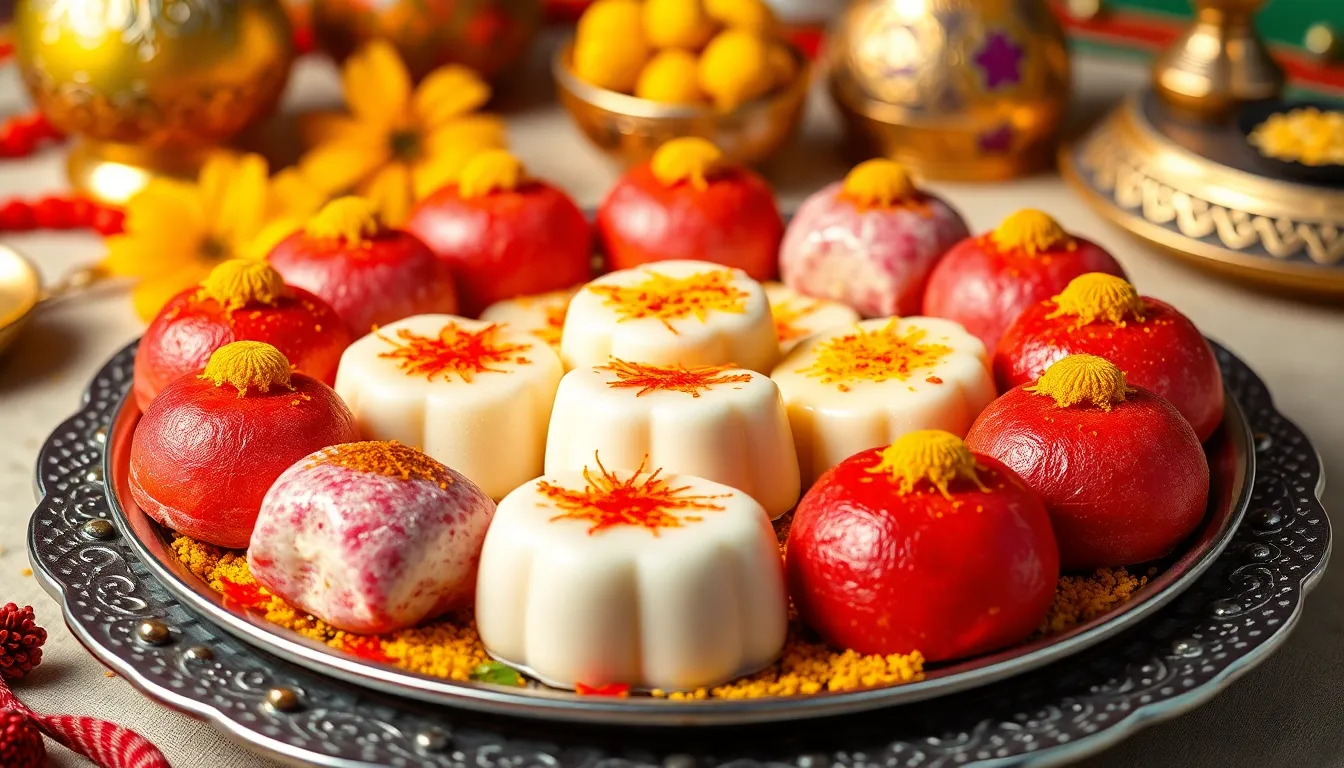
Rasnkada carries deep cultural roots and historical weight within various communities. Significant regional variations highlight its diverse origins.
Cultural Origins
Rasnkada’s origins trace back to traditional Indian sweets often enjoyed at celebrations. It commonly appears during festivals such as Diwali and Holi, bringing communities together in joy. Historic texts and oral traditions reference similar milk-based sweets, showcasing the dish’s enduring appeal. Each region boasts unique flavors, with some incorporating spices like cardamom or saffron, contributing to their local identities. Ultimately, Rasnkada transcends mere dessert, embodying rich cultural narratives and shared experiences.
Evolution Over Time
Rasnkada’s evolution reflects changing tastes and culinary innovation. Traditionally crafted by hand, variations emerged as techniques and ingredients adapted over generations. Modern gastronomy brings new interpretations to the table, showcasing Rasnkada in artistic presentations. Upscale restaurants enhance its reputation by fusing traditional elements with contemporary aesthetics. As a result, this dessert captures the essence of heritage while appealing to modern palates. Through time, Rasnkada’s presence in both casual and fine dining highlights its timeless allure.
Key Characteristics of Rasnkada
Rasnkada captivates with its intricate qualities that contribute to its widespread appeal. This dessert embodies a harmonious blend of flavors and a unique texture, making it a culinary delight.
Flavor Profile
Rasnkada features a rich flavor profile that varies by region. Traditional versions showcase subtle sweetness, balanced with ingredients like cardamom and saffron. Cardamom lends an aromatic warmth, while saffron adds a touch of luxury. Many artisans also experiment with fruit essences, enhancing the overall taste experience. Almonds and pistachios are frequently used as toppings, adding a crunchy contrast to the creamy base. These diverse ingredients create a multi-dimensional flavor journey that delights the senses. Variants can be found across communities, each offering a distinct twist that honors local traditions.
Texture and Presentation
Rasnkada is renowned for its soft, melt-in-your-mouth texture. This creaminess results from meticulous preparation methods that involve slow cooking and careful stirring. Some chefs incorporate innovative techniques to modernize its presentation. For instance, Rasnkada often appears in elegant glassware, garnished with colorful fruits and nuts. Layers of ingredients further enhance both texture and visual appeal. The dessert’s delicate consistency sets it apart, encouraging indulgence. Upscale restaurants may even serve it alongside complementary elements, fostering an elevated dining experience. Overall, Rasnkada’s texture and presentation play a pivotal role in its overall enjoyment.
Health Benefits of Rasnkada
Rasnkada offers several health benefits that enhance its status beyond a mere dessert. This creamy delicacy contains essential nutrients, making it a delightful treat with advantages.
Nutritional Value
Rasnkada primarily consists of milk, sugar, and various flavorings. This combination results in a rich source of calcium, which supports bone health. Additionally, the protein content from milk contributes to muscle development and repair. One serving can include around 150 calories, depending on the recipe, providing energy in a tasty form. Moreover, the inclusion of nuts can enrich its nutritional profile, adding healthy fats and fiber. Each bite not only satisfies a sweet tooth but also delivers essential nutrients.
Therapeutic Properties
Rasnkada showcases therapeutic properties that promote overall well-being. The presence of cardamom often used in recipes has been linked to digestive benefits, aiding in digestion and reducing bloating. Furthermore, saffron, featured in some variations, is known for its mood-lifting properties and may help alleviate stress. These ingredients support mental health and enhance emotional stability. Consumption of Rasnkada can contribute to a sense of joy and relaxation, integrating its rich flavors with holistic benefits.
Popular Dishes Featuring Rasnkada
Rasnkada shines in various dishes, celebrated for its delightful taste and versatility. Its use in both traditional and modern cuisines showcases its widespread appeal.
Traditional Recipes
Traditional recipes highlight Rasnkada as a centerpiece during festival feasts. Festive occasions like Diwali and Holi often feature this dish, allowing families to bond over its rich flavor. Many regional variations incorporate local spices, enhancing the sweetness while preserving its creamy texture. For instance, in some areas, chefs use cardamom and saffron to elevate the flavors further. Often, it’s accompanied by fresh fruits or mixed with an assortment of nuts like almonds and pistachios, adding both richness and crunch.
Modern Innovations
Modern innovations breathe new life into Rasnkada, appealing to contemporary tastes. Upscale restaurants experiment with plating, serving this dessert in elegant glassware alongside fresh fruit purées or vibrant sauces. Chefs aim to blend traditional flavors with a modern twist, integrating components like chocolate or coconut for a unique experience. Innovative fusion approaches also introduce Rasnkada in dishes such as layered parfaits or gourmet milkshakes. These creative adaptations maintain its cultural essence while attracting a younger audience eager for something fresh and exciting.
Rasnkada embodies a rich tapestry of flavors and cultural significance that transcends mere dessert. Its evolution showcases a beautiful blend of tradition and modernity appealing to diverse palates. As it continues to gain popularity in both casual and fine dining settings, Rasnkada remains a symbol of joy and togetherness during celebrations.
With its unique texture and the potential for innovative pairings, Rasnkada invites everyone to explore its delightful offerings. Whether enjoyed in its classic form or through contemporary adaptations, this treat promises to delight and nourish, making it a cherished addition to any culinary experience.