







In the vibrant world of Indian cuisine, few dishes have the charm and versatility of vettakarikal. This delightful concoction, often bursting with flavors and spices, has a way of turning any meal into a celebration. Imagine a dish that’s not just food but an experience—one that dances on your palate and leaves you craving more.
Overview Of Vettakarikal
Vettakarikal represents a vibrant dish within Indian cuisine. It captivates with its aromatic spices and complex flavors, making every dining experience memorable.
Definition And Concept
Vettakarikal refers to a specific preparation method often associated with various meats or vegetables. This dish typically involves marinating the primary ingredient in an array of spices before slow-cooking it to perfection. Ingredients may include turmeric, coriander, chili powder, and garam masala, creating a rich and flavorful base. The versatility of vettakarikal allows for numerous regional adaptations, each reflecting local tastes and culinary traditions. It’s a dish meant to evoke warmth and hospitality, often served during family gatherings or celebratory occasions.
Cultural Significance
Culturally, vettakarikal holds a special place in Indian heritage, symbolizing comfort and community. Families often come together to enjoy this dish during festivals and significant events. The preparation process may involve multiple generations sharing techniques, fostering an appreciation for traditional cooking. In many regions, serving vettakarikal signifies generosity and the act of sharing food, which strengthens social bonds. This dish is not just a meal; it acts as a catalyst for connection, bringing people together to savor both flavors and memories.
Types Of Vettakarikal
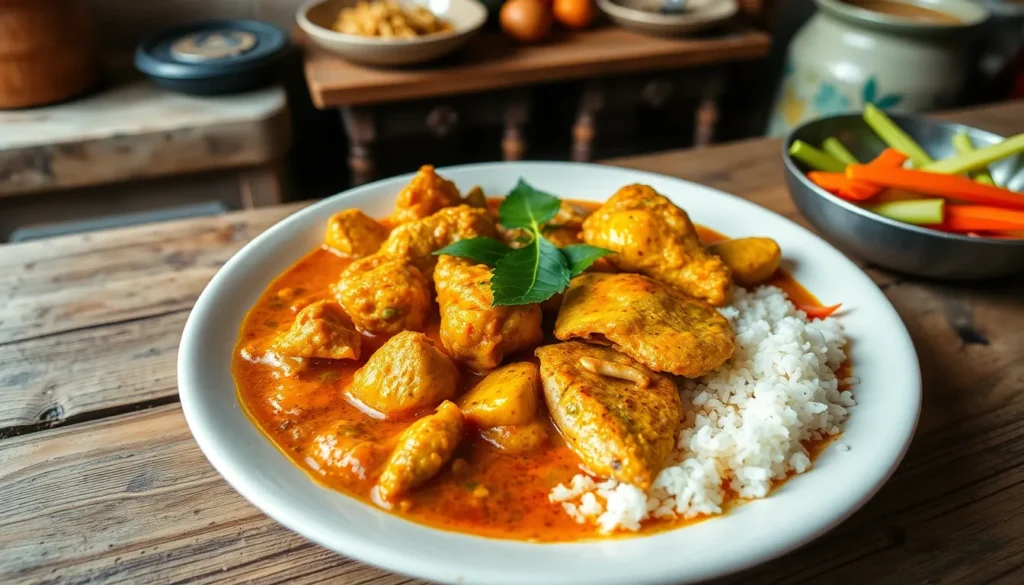
Vettakarikal encompasses various forms, each showcasing distinct flavors and techniques. Understanding these types reveals the dish’s rich culinary tapestry.
Traditional Variants
Traditional variants of vettakarikal highlight regional spices and cooking techniques. In Kerala, the use of coconut, curry leaves, and tamarind stands out in chicken and fish preparations. These ingredients create a tangy, rich sauce that balances spices. Lamb and goat versions often incorporate local herbs for added depth. Slow cooking methods enhance flavors, allowing meats to absorb spices thoroughly. Family recipes passed down generations ensure authenticity and continued appreciation for these traditional styles.
Modern Adaptations
Modern adaptations of vettakarikal emphasize health and convenience. Chefs incorporate lean meats and plenty of vegetables to create lighter versions. Some recipes utilize air frying or instant pot methods, significantly reducing cooking times without sacrificing flavor. Fusion approaches include plant-based options, catering to dietary preferences while retaining traditional spices. Innovative presentations enhance visual appeal, attracting a broader audience. These adaptations make vettakarikal accessible to new generations, encouraging exploration of classic roots in contemporary meals.
Techniques In Creating Vettakarikal
Creating authentic vettakarikal requires understanding key components that enhance its rich flavors and textures. The selection of ingredients plays a crucial role, while the right tools ensure effective preparation.
Ingredients And Preparation
Core ingredients for vettakarikal include meats such as chicken, mutton, or fish, alongside vegetables like potatoes or carrots. Spices such as turmeric, coriander, chili powder, and garam masala create depth in flavor. Fresh herbs, like cilantro, contribute to vibrant aromas. Start by marinating the chosen protein or vegetables using the spice mix, allowing flavors to develop over a few hours. Slow cooking in a heavy-bottomed pot enables the combination of ingredients to meld beautifully. Sometimes, coconut milk or tamarind is added for a unique regional twist.
Tools And Equipment
Essential tools for crafting vettakarikal include a heavy-bottomed pot or Dutch oven, which distributes heat evenly for slow cooking. A sharp knife facilitates cutting meats and vegetables into uniform pieces. A mixing bowl allows adequate room for marinating ingredients, while measuring spoons ensure accurate spice ratios. For those utilizing modern adaptations, an instant pot or air fryer provides quicker cooking options while maintaining flavors. Optional tools may include a mortar and pestle for grinding fresh spices, enhancing the dish’s authenticity and taste.
Benefits Of Vettakarikal
Vettakarikal provides various advantages that enhance both physical health and community bonds.
Health Benefits
Nutrient-rich ingredients characterize vettakarikal, making it beneficial for those seeking balanced meals. Fresh vegetables like carrots and potatoes contribute essential vitamins. Lean meats, commonly used in this dish, provide protein crucial for muscle health. Spices such as turmeric and coriander have anti-inflammatory properties, promoting overall wellness. Moreover, slow cooking methods help retain nutrients, ensuring each bite is flavorful and healthy. Adapting the recipe to include more vegetables increases fiber content, supporting digestive health. Overall, having vettakarikal can lead to more nutritious dining experiences, promoting long-term health goals.
Social And Community Aspects
Vettakarikal fosters connection among individuals and reinforces community ties during shared meals. Families often gather to prepare this dish, creating opportunities for collaboration across generations. Rituals surrounding its preparation and enjoyment are integral to cultural celebrations, enhancing social bonds. Sharing vettakarikal at events cultivates a sense of belonging and joy among participants. Its versatility encourages families to create unique variations, furthering individual and communal identities. Cultivating these traditions significantly strengthens relationships and highlights the importance of managing connections through food.
Vettakarikal stands out as more than just a dish; it embodies the essence of community and tradition in Indian cuisine. Its rich flavors and diverse preparations invite everyone to explore their culinary creativity while honoring time-honored practices. As families gather around this beloved meal, they not only share food but also create lasting memories and strengthen bonds.
Whether enjoyed during festive occasions or as a comforting weeknight dinner, vettakarikal continues to adapt and thrive in modern kitchens. Embracing its heritage while incorporating contemporary twists ensures that this dish remains a cherished part of culinary culture for generations to come.